
elitere | Jun. 2, 2026
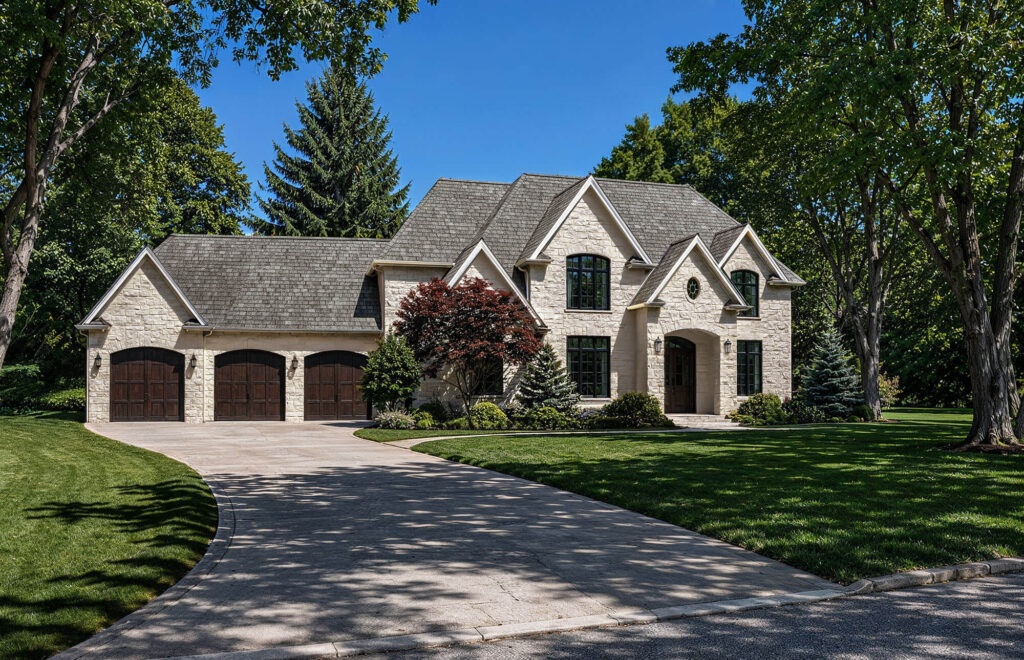
Pricing your home is one of the most important decisions you will make when preparing to sell.
It is also one of the easiest decisions to get wrong.
Many sellers assume that starting high gives them room to negotiate. On the surface, that logic makes sense. If buyers want the home, they can always make an offer, right?
In reality, that is not usually how the market works.
In today’s Waterloo Region real estate market, buyers are informed, selective, and highly aware of value. They are comparing homes in real time across Waterloo, Kitchener, Cambridge, and the surrounding townships. If a property feels overpriced, most buyers do not rush in with a lower offer. They move on.
That is why pricing is not just about what you hope to get. It is about how your home is positioned from day 1.
When a home is priced correctly, it attracts more attention, creates stronger buyer interest, and gives the seller more leverage. When a home is overpriced, it can lose momentum quickly.
Overpricing is rarely done carelessly. Most sellers have a reason for the number they have in mind.
For many homeowners, their property represents years of memories, renovations, financial investment, and pride of ownership. It is natural to feel emotionally connected to the home and to see value in details that may not always translate directly to market value.
There are also outside influences. Online estimates, a neighbour’s sale from 2 years ago, opinions from friends and family, and memories of the peak market can all shape expectations.
The problem is that buyers are not pricing your home based on your emotional connection to it. They are comparing it against what else is available right now.
That distinction matters.
A home may be beautifully maintained, thoughtfully updated, and located in a desirable neighbourhood, but if the price does not align with current buyer expectations, it can still struggle to gain traction.
The market today is not the same market we saw a few years ago.
Inventory levels have improved from the extremely tight conditions of the past, and buyers generally have more options to choose from. Homes are also taking longer to sell in many price points and neighbourhoods, which means buyers feel less pressure to act immediately unless the home is clearly priced well.
That shift has changed buyer behaviour.
Today’s buyers are comparing homes more carefully. They are looking at condition, location, updates, layout, lot size, neighbourhood, and overall value. If 2 homes appear similar but one is priced more competitively, that home is usually going to receive more attention.
This is especially important in established Waterloo neighbourhoods such as Colonial Acres, Upper Beechwood, Laurelwood, Eastbridge, Conservation Meadows, and Carriage Crossing, where buyers may be comparing several properties within a similar price range.
When buyers have choices, pricing becomes one of the biggest deciding factors.
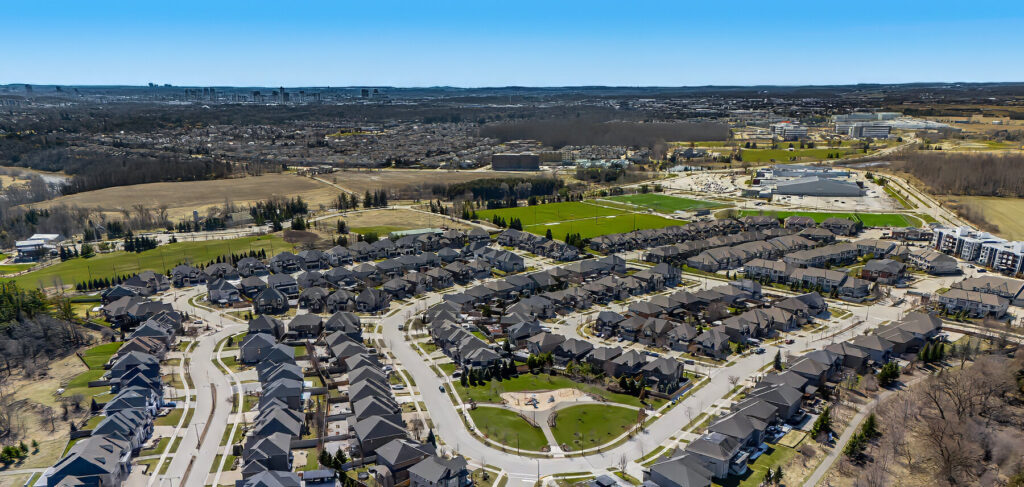
Overpricing does not just delay the sale. It changes how buyers perceive the property.
That is where the psychology comes in.
A home that launches too high often starts with weaker activity. Fewer showings, fewer inquiries, and less urgency from buyers. Once that happens, the listing can begin to lose momentum, even if the home itself is a strong property.
The first 1 to 2 weeks on the market are usually the most important.
This is when your listing is fresh. Buyers who have been actively watching the market see it right away. Agents send it to their clients. Online traffic is typically at its highest.
If the home is overpriced during that window, serious buyers may dismiss it before ever booking a showing.
That is one of the biggest risks of overpricing. You do not always get a second chance with the most motivated buyers.
By the time a price reduction happens, those buyers may have already purchased another property, shifted their focus, or lost interest.
Most buyers search within specific price ranges.
If your home is priced above where it should be, it may fall into a different search bracket and miss the buyers who are actually the best fit for the property.
For example, a buyer searching up to $1,000,000 may never see a home listed at $1,049,900, even if that home would have been a strong match for them. That small pricing gap can reduce exposure in a very real way.
Less exposure usually means fewer showings. Fewer showings mean fewer opportunities to generate an offer.
Once a home has been sitting on the market for a while, buyer perception starts to shift.
Instead of thinking, “This could be the one,” buyers start asking, “Why has this not sold?”
That question can create hesitation.
Even if there is nothing wrong with the home, longer days on market can make buyers more cautious. They may wonder if there is an issue with the property, the price, the condition, or the neighbourhood.
This is where overpricing can become expensive. Once a listing feels stale, it often attracts more aggressive offers and heavier negotiation.
A price reduction can help, but it does not always fully reset buyer perception.
By the time the price is adjusted, the listing has already been exposed to the market. Buyers may have seen it once and moved on. Some may come back, but often with a different mindset.
Instead of seeing the home as a fresh opportunity, they may see it as a property that has been sitting. That can affect how they negotiate.
This is when sellers may start to see:
That is why the first price is so important.
The goal is not to “test the market.” The goal is to enter the market with a strategy that gives your home the strongest chance of success from the beginning.
Pricing correctly does not mean underpricing your home. It means positioning it properly based on the current market, recent comparable sales, buyer behaviour, and the specific strengths of the property.
When a home is priced well from day 1, it is more likely to generate attention from qualified buyers. It can also create urgency, especially if buyers recognize that the home offers strong value compared to others in the same range.
Correct pricing can lead to:
Even in a more balanced market, multiple offers can still happen. But they usually happen when the home is priced strategically, marketed properly, and positioned in a way that makes buyers feel confident taking action.
The biggest misconception about overpricing is that there is no downside.
Many sellers think, “We can always reduce the price later.”
Technically, yes. But the market remembers.
When a home sits for too long, it can lose the early energy that often leads to the strongest results. Buyers become more hesitant. Agents may be less excited to show it. The listing may require more adjustments before the right offer comes together.
In many cases, an overpriced home ends up selling for less than it may have achieved with the right pricing strategy from the start.
That is the part sellers need to understand. Overpricing does not protect your value. It can actually weaken it.
The right price should be based on strategy, not guesswork.
A strong pricing strategy looks at:
It is also important to look at your specific neighbourhood, not just the broader Waterloo Region market.
A detached home in Colonial Acres will not be priced the same way as a newer home in Carriage Crossing. A property in Laurelwood may attract a different buyer pool than a home in Eastbridge. A large mature lot in Upper Beechwood may require a different strategy than a newer subdivision home with similar square footage.
Local context matters.
That is why accurate pricing requires more than an online estimate. It requires understanding how buyers are actually behaving in your specific segment of the market.
The psychology of overpricing is understandable. Sellers want to maximize their return, and it is natural to want the highest possible price for your home.
But in today’s Waterloo Region real estate market, pricing too high can work against you quickly.
The strongest results usually come from a thoughtful strategy, strong presentation, targeted marketing, and a price that makes sense to buyers from the moment the home hits the market.
If you are thinking about selling, the question is not, “What is the highest number we can try?”
The better question is, “What price will position this home to attract the right buyers and create the strongest result?”
That is where strategy matters.

Your home may be overpriced if it is receiving fewer showings than similar properties, sitting on the market longer than expected, or getting consistent feedback that the price feels high compared to condition, location, or recent sales.
Overpriced homes often miss the strongest buyer activity in the first 1 to 2 weeks. Buyers may skip the listing if they feel the price does not align with value, which leads to fewer showings and less momentum.
You can, but it can weaken your position. Once a listing sits on the market, buyers may become more cautious and negotiate more aggressively. A price reduction does not always recreate the momentum of a strong launch.
Yes, multiple offers can still happen when a home is priced strategically, marketed well, and positioned properly against competing listings. Pricing is one of the biggest factors in creating that kind of buyer urgency.
The best approach is to work with a local real estate team that understands how to price your home based on what is happening in the market right now. The Deutschmann Team can help you determine the right pricing strategy by reviewing recent comparable sales, active competing listings, neighbourhood demand, property condition, buyer behaviour, and current market trends.
A strong pricing strategy should reflect what buyers are willing to pay today, not what the market looked like in the past. Contact us for a custom selling strategy.
