
mediaforce2 | Jul. 8, 2026
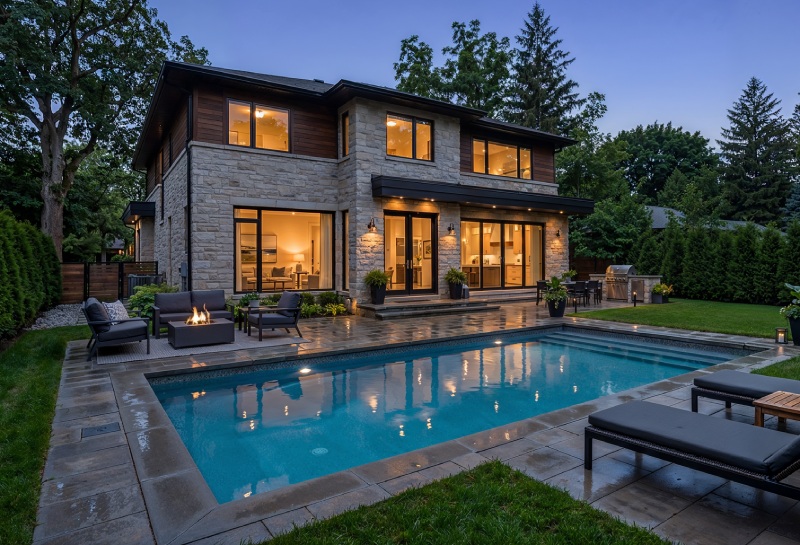
| Home prices in Waterloo Region in summer 2026 are showing a split trend: values remain lower than last year, but recent month-over-month data points to early stabilization. For sellers, this means the market is active, but more selective, and pricing strategy matters more than waiting for the market to do the work. |
| Fast answers for Waterloo Region sellers |
| – The latest early-summer 2026 data shows Waterloo Region prices are still softer year-over-year, even as some month-over-month indicators have improved. |
| – Waterloo Region communities are not moving identically, which means sellers need neighbourhood-specific pricing, not a region-wide guess. |
| – Detached homes are generally holding stronger than townhomes and apartment-style condos because inventory and buyer demand vary by property type. |
| – Buyers are still active, but they are comparing listings carefully and responding quickly only to homes that feel well-priced and well-presented. |
| – Sellers should treat summer 2026 as a strategic market, where accurate pricing, professional presentation, and negotiation discipline directly affect the final result. |
Home prices in Waterloo Region are not simply rising or falling in a straight line right now. As of early summer 2026, the market is best described as stabilizing after year-over-year price softness, with some month-over-month improvement showing in the latest published data.
The latest available Waterloo Region housing statistics published before summer 2026 showed home sales rising month-over-month, new listings also rising month-over-month, and average prices still down from the previous year. In practical terms, that means buyers have not disappeared, but they have more choice and more patience than they had in the most competitive seller markets.
For sellers, the message is important. A softer year-over-year number does not mean your home cannot sell well. It means the result depends more heavily on how your home is priced, presented, launched, and negotiated. A strong property in the right price band can still attract serious attention. An overpriced property can sit, even if the broader market is active.
Over the past 12 months, the clearest pattern is that prices remain below last year’s levels in Kitchener-Waterloo, while short-term movement has started to look more stable. The latest CREA and Cornerstone data showed Kitchener-Waterloo HPI up slightly month-over-month but still down year-over-year, which supports a cautious, property-specific pricing approach.
That distinction matters because Waterloo Region is not one market. Kitchener, Waterloo, North Dumfries, Wellesley, Wilmot, Woolwich, New Hamburg, Baden, Ayr, Elmira, St. Jacobs, and Breslau all have different buyer pools, inventory levels, commute patterns, school considerations, property types, and neighbourhood expectations.
A seller in Waterloo’s established neighbourhoods may face a different pricing conversation than a seller with a townhouse in Kitchener or a rural property near the townships. The right question is not only, ‘What is the average price in Waterloo Region?’ The better question is, ‘What are buyers currently paying for homes like mine, in my area, in my price band?’
Inventory and days on market show that Waterloo Region is active, but more measured than the rapid-fire seller markets many homeowners remember. Buyers have enough choice to compare, pause, and negotiate, but not so much choice that every seller is in a weak position.
The latest Waterloo Region data showed about 3.6 months of supply across all property types, which points to a more balanced environment than the low-inventory pressure markets of previous years. CREA market-condition data also shows an important property-type split: single detached homes had much tighter inventory than apartment units in the first quarter of 2026, while townhouses sat between those two segments.
Days on market also tell sellers that patience and precision both matter. Detached homes, townhouses, and apartments were spending more time on market than a year earlier in CREA’s first-quarter data. That does not mean homes are failing to sell. It means buyers are taking longer to decide, and sellers have less room for vague pricing, weak photos, or unclear presentation.
Interest rates affect Waterloo Region home prices because they shape what buyers can afford each month. When borrowing costs feel uncertain, buyers become more cautious about price, conditions, and the gap between what they want and what they can comfortably finance.
The Bank of Canada’s 2026 interest-rate decisions remain an important factor for buyer confidence and affordability. Even when rates are stable, mortgage payments, stress-test limits, household income, and buyer confidence all affect how strongly buyers compete. For buyers, rate stability can help with budgeting, but it does not erase affordability pressure. Mortgage payments, stress-test limits, household income, and confidence all influence how strongly buyers compete.
For sellers, this means pricing cannot be based only on what similar homes sold for during a different rate environment. A buyer’s offer today reflects today’s carrying costs. If your home is priced beyond what the current buyer pool can justify, even strong marketing may not create the urgency you want.
The strongest-performing price ranges and property types in Waterloo Region are usually the ones where buyer demand is deep, and inventory is limited. In 2026, that often means well-located detached homes and move-in-ready properties are holding stronger than listings with more competition, more condition issues, or less urgent buyer demand.
The property-type split is important. Detached homes had tighter first-quarter inventory than townhouses and apartment units, while apartment units had the highest months of inventory and longer median days on market. That gives detached sellers a different strategic position than condo sellers, even within the same broader region.
Still, property type is only one part of the story. A well-prepared townhouse in a desirable location can outperform a detached home that is overpriced, poorly presented, or difficult to show. A condo in excellent condition, strong amenities, and a realistic price can still attract the right buyer. Sellers should avoid assuming the market owes them a premium simply because one segment is more resilient.
The current home price trend means sellers should enter the market with realistic expectations, not fear. Waterloo Region still has active buyers, but those buyers are comparing value carefully and rewarding homes that are priced and presented with discipline.
This is not a market where every listing can rely on automatic multiple offers. It is also not a market where sellers have no leverage. The strongest results are more likely to come from a carefully built strategy: current local pricing data, strong pre-listing preparation, premium photography, cinematic video, accurate floor plans, broad listing exposure, and a clear negotiation plan.
That is the type of market The Deutschmann Team is built for. Sellers receive honest pricing advice, a proprietary multi-variable pricing model, premium multimedia production, direct feedback, and ongoing communication so they are not left guessing while the listing is live. If you are unsure how the summer 2026 trend affects your home, start with a free home evaluation based on your property, your neighbourhood, and your timeline.
Sellers should not decide whether to wait or list now based only on a headline about average prices. The better decision depends on your property type, neighbourhood, motivation, next purchase plans, carrying costs, and how your home compares to active competition.
Waiting can make sense if your home needs preparation, your next move is not ready, or your price expectations are not aligned with the current market. Listing now can make sense if your property is well-positioned, inventory in your segment is manageable, and you have a pricing strategy that reflects what buyers are doing today.
The key is not timing the market perfectly. The key is avoiding a poor launch. A home that enters the market too high, with weak presentation or unclear positioning, can lose momentum even in a decent market. A home that enters the market with the right strategy can still perform strongly in a more selective environment. For a deeper look at how pricing, preparation, and launch strategy connect, review the team’s home selling process and why sell with The Deutschmann Team.
Home prices in Waterloo Region are showing a mixed trend in early summer 2026. Prices remain lower year-over-year, but recent month-over-month movement shows signs of stabilization. Sellers should avoid relying on broad averages and instead use current comparable sales, active competition, and neighbourhood-specific data.
Market conditions can shift within weeks when inventory, interest rates, buyer confidence, or seasonal activity changes. That affects sellers because a pricing strategy that worked three months ago may not work today. Before listing, review the newest comparable sales and current competition in your exact price band.
Selling now may make sense if your home is well-prepared, your segment has active buyers, and your pricing strategy matches current demand. Waiting may make sense if your home needs work or your timeline is flexible. The right decision depends on your property, not only the regional trend.
Now can be a good time to sell a home in Waterloo Region if your property is well prepared, your price is based on current comparable sales, and your next move supports the timing. Summer 2026 conditions are more selective than peak seller markets, so the strongest listings are usually those that launch with realistic pricing, strong presentation, and a clear negotiation plan. If your home needs preparation or your expectations are not aligned with current buyer demand, waiting briefly to improve the listing strategy may be smarter than rushing to market.
The best way to stay current is to review official Waterloo Region market statistics, then compare them with property-specific advice from a local REALTOR who knows your neighbourhood. Regional averages are useful for direction, but your home’s value depends on local comparable sales, condition, layout, buyer demand, and active competition.
Home prices in Waterloo Region in summer 2026 are not sending sellers one simple message. The market is softer than last year, but it is also showing signs of stabilization and continued buyer activity.
That combination rewards sellers who are honest, strategic, and well-prepared. It punishes sellers who rely on outdated peak-market expectations or broad regional averages.
If you are thinking about selling in Kitchener, Waterloo, or the surrounding communities, request your free home evaluation from The Deutschmann Team and get a pricing strategy built for the market your home is entering now.
