
elitere | Aug. 6, 2026
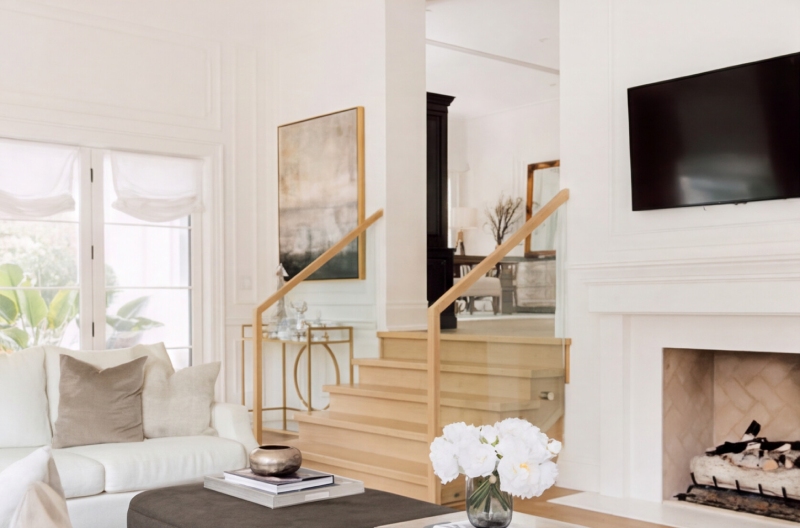
The cost to prepare a home for sale in Waterloo Region can range from a few hundred dollars for cleaning, decluttering, minor repairs, and touch-ups to several thousand dollars for painting, moving, storage, professional staging, or more extensive property work.
The right budget depends on the home’s current condition, expected price range, likely buyer, competing listings, and the improvements most likely to strengthen presentation without overbuilding for the market.
The goal is not to renovate everything before selling. It is to determine which work should be addressed, which improvements could meaningfully support the sale, and which projects are unlikely to justify their cost, delay, or disruption.
KEY TAKEAWAYS‘
The cost to prepare a home for sale may include:
Two homes with similar square footage can require very different preparation plans.
An occupied home with suitable furniture may require only editing, organization, cleaning, and minor touch-ups. A vacant home may require furniture rental, delivery, installation, monthly carrying costs, and removal.
An older property or a home with visible maintenance concerns may require repair estimates, specialist advice, or additional documentation before the seller can establish a realistic preparation budget.
Instead of relying on one online average, homeowners should begin with three broad planning levels.
| Preparation level | Typical work | General budget pattern |
| Essential refresh | Deep cleaning, decluttering, minor patching, touch-up painting, small repairs, and basic yard cleanup | Usually the lowest-cost route and may be measured in hundreds rather than thousands |
| Targeted preparation | Selective painting, handyman repairs, lighting or hardware updates, moving or storage, landscaping, and partial staging | Can move into the low thousands depending on the size of the property, labour, materials, and scope |
| Comprehensive preparation | Extensive painting, multiple repairs, substantial moving or storage, specialist work, or vacant-home staging | Can reach several thousand dollars or more and should be supported by written quotes and a clear market reason |
These are broad planning bands—not Waterloo Region contractor quotes or local price averages.
The exact cost depends on:
A property-specific consultation and written local quotes are required before establishing a final budget.
The most useful pre-sale improvements are generally those that remove visible distractions, address obvious maintenance concerns, and help buyers understand the home quickly.
Cleanliness, organization, consistency, and proper maintenance often deserve priority because they can improve presentation without the cost and delay of a major renovation.
Begin with the work most likely to affect buyer confidence and the way the property appears in listing photographs and during showings.
Deep Cleaning
A thorough cleaning should normally address:
A home that feels clean and well cared for allows buyers to focus on its features instead of becoming distracted by maintenance.
Deep cleaning may be completed by the homeowner or by a professional cleaning company. The best option depends on the seller’s available time, the size and condition of the home, and the standard required before professional photography.
Decluttering and Furniture Editing
Decluttering involves more than placing belongings inside closets.
The objective is to make each room feel functional, comfortable, and easy to navigate while still allowing the home to feel welcoming.
Furniture and belongings should be edited to show:
Large furniture, personal collections, crowded shelving, excess countertop items, and unnecessary décor can make rooms appear smaller and prevent buyers from noticing the property itself.
Depending on the amount being removed, preparation costs may include:
The home should not be emptied without a plan. In many occupied properties, the best presentation comes from keeping the right furniture and removing only what interferes with space, light, or function.
Minor Repairs and Maintenance
Visible defects can create a broader impression that a property has not been maintained.
Consider addressing items such as:
Not every imperfection requires repair. The preparation plan should focus on issues that are noticeable, affect normal use, weaken buyer confidence, or create unnecessary distractions.
Selective Painting
Fresh paint can be worthwhile when strong colours, visible wear, inconsistent finishes, poor patchwork, or damaged walls detract from the home.
Painting costs depend on:
Obtain written estimates from Waterloo Region painters before approving the work.
Not every room needs to be repainted.
Priority areas may include:
Selective painting can sometimes provide most of the presentation benefit without the cost and disruption of repainting the entire property.
Lighting and Hardware
Lighting affects how buyers experience a home both online and in person.
Preparation may include:
Updates should be selected carefully. The goal is not to replace every fixture or handle simply because something newer exists.
Curb Appeal
The exterior creates the first impression before a buyer enters the home.
Simple exterior improvements may include:
A good spending decision does not ask only:
Will this make the property look better?
It also asks:
Large renovations should not be automatically completed immediately before listing.
Projects such as full kitchen replacements, complete bathroom renovations, structural changes, highly personalized finishes, and renovations involving long permit, material, or delivery timelines can require substantial time and money without guaranteeing that the seller will recover the full expense.
Renovation cost and market-value contribution are not the same thing.
Buyers may value an improvement differently based on:
A newly renovated space does not automatically add an equal amount to the property’s market value.
A significant renovation may still be worth considering when:
Before approving a large project, compare the property with relevant recently sold homes and current competing listings.
Ask:
The goal is to address what buyers are likely to notice and value without overbuilding for the neighbourhood or expected price range.
Staging costs depend on how much assistance the property requires.
A professional consultation using the seller’s existing furniture generally involves less work than partial furniture or accessory rental. A vacant-home installation may include furniture rental, delivery, setup, ongoing monthly charges, and removal.
The most economical staging plan often begins by editing and repositioning what the homeowner already owns.
This may include:
Rental pieces may be useful when a room is:
Staging does not have to mean furnishing every room. The plan should focus on the spaces that have the greatest effect on first impressions, photography, buyer understanding, and the overall flow of the home.
The 2025 National Association of REALTORS® Profile of Home Staging found that 83% of surveyed buyers’ agents said staging made it easier for buyers to visualize a property as their future home. The living room, primary bedroom, and dining room were the most commonly staged spaces. This is U.S. research and provides useful general context, but it does not guarantee a higher sale price or shorter selling time in Waterloo Region. (National Association of REALTORS®)
With The Deutschmann Team, sellers receive a professional home-staging and interior-design consultation. Our listing service also includes professional photography and multimedia presentation.
The recommended preparation and staging plan is reviewed with the seller before the property is launched.
Staging and professional presentation may improve how buyers experience a home, but they do not guarantee:
The recommendation should always be based on the needs of the individual property.
A pre-listing inspection may be useful for:
An inspection may help a seller:
However, a pre-listing inspection does not prevent a buyer from arranging a separate inspection.
It may also identify issues that require:
Ontario disclosure obligations depend on the facts and the nature of the defect. Sellers should obtain transaction-specific legal advice rather than assuming that every inspection finding is treated in the same way. (Real Estate Council of Ontario)
Discuss the purpose and likely consequences of the inspection with your listing agent before ordering one.
The decision should be based on the property and selling strategy—not on the assumption that every home requires a pre-listing inspection.
The preparation plan begins with:
Recommendations are then separated into three categories.
1. Work That Should Be Addressed
This may include issues that affect:
These items may require repair, further investigation, documentation, or advice from an appropriate professional.
The category does not mean that every item must automatically be repaired. It means the issue should be understood and addressed within the pricing, preparation, disclosure, or marketing strategy.
2. High-Impact Presentation Opportunities
These are improvements that may materially strengthen the way the home photographs, shows, or compares with competing properties.
They may include:
Each recommendation should be tied to a clear buyer or marketing objective.
For example:
3. Optional or Unnecessary Projects
These are projects that may:
The purpose of a pre-listing consultation is not to create the longest possible renovation list.
It is to determine:
The best way to control preparation costs is to establish the pricing and marketing strategy before hiring trades or purchasing materials.
Every expense should address a specific concern, presentation issue, or competitive disadvantage.
1. Begin With a Property-Specific Consultation
Review the property before ordering work.
The consultation should consider:
This helps prevent sellers from investing in projects that are unnecessary, overly personal, or unsupported by the market.
2. Compare the Home With Relevant Competition
Do not prepare the property in isolation.
Consider what buyers will see when comparing:
A broad Waterloo Region market statistic may provide context, but the preparation strategy should be based on the homes competing for the same buyer.
3. Separate Maintenance From Cosmetic Work
Safety, functionality, maintenance, and listing accuracy should be considered separately from optional design improvements.
A cosmetic update may improve presentation. A maintenance concern may affect buyer confidence, inspection results, insurability, financing, or the transaction itself.
The two categories should not be treated as though they have the same purpose.
4. Obtain Written Quotes
For contracted work, confirm:
Include a contingency for hidden work, material delays, or scheduling changes.
Do not rely on an online average as though it were a quotation for your property.
5. Prioritize the Most Visible Areas
Focus first on:
Not every room requires the same amount of work or spending.
6. Consider the Seller’s Timeline
Preparation that might be reasonable with several months available may not be appropriate when the seller needs to list quickly.
A delayed launch can create costs of its own, including:
The preparation recommendation must account for both project cost and timing.
7. Stop When Additional Spending Is Unlikely to Matter
The next dollar spent should have a reasonable chance of improving:
When the benefit becomes uncertain, preserve the money and consider whether the remaining work should instead be reflected in the pricing and marketing strategy.
Preparing a home for sale is not a contest to complete the longest renovation list.
The strongest plan aligns the budget with:
Begin with cleaning, organization, maintenance, and visible concerns.
Consider larger projects only when there is a clear market reason, and the likely benefit justifies the cost, timing, and risk.
The objective is to present the property honestly, remove preventable distractions, and protect the seller’s equity without spending money in areas buyers are unlikely to recognize.
Not Sure What to Repair, Paint, or Stage Before Selling?
Request a complimentary home-value and preparation consultation with The Deutschmann Team.
We will review your property, likely buyer, current competition, and selling timeline. We will then separate the recommendations into:
You will receive a practical preparation strategy designed around your home—not a generic renovation list.
Do I Have to Renovate My Home Before Selling It?
No.
Many homes can be positioned effectively through cleaning, decluttering, maintenance, selective repairs, painting, and professional presentation instead of a major renovation.
The right strategy depends on:
Review the property before spending so you can distinguish between work that removes a real objection and work that is unlikely to recover its cost.
Is It Worth Spending Money on Staging Before I List?
It can be, particularly when rooms feel crowded, empty, dated, poorly defined, or difficult to understand.
Staging does not have to involve furnishing the entire property.
A professional consultation, furniture editing, improved placement, and selective accessories may be sufficient.
The decision should compare:
Staging does not guarantee a higher price or faster sale.
What Cosmetic Updates Usually Have the Biggest Impact?
The most broadly useful improvements often include:
The best choices depend on the home and its direct competition.
Focus on improvements that strengthen listing photographs, reduce distractions, and communicate that the property has been cared for.
How Much Should I Spend Preparing My Home for Sale?
There is no universal amount.
The budget should reflect:
Some properties need only a modest refresh. Others may require painting, repairs, storage, moving, specialist work, or professional staging.
Obtain written local quotes before establishing the final budget.
How Does a Pre-Listing Inspection Affect My Selling Costs?
A pre-listing inspection creates an upfront professional expense and may lead to repair estimates, specialist reviews, or additional investigation.
It can also help a seller understand potential concerns and prepare before an offer is received.
The value depends on:
Discuss the potential benefits and consequences with your listing agent before ordering an inspection. Obtain legal advice about any property-specific disclosure obligations.
Should I Paint My Entire Home Before Selling?
Not necessarily.
Whole-home painting may be useful when there is significant wear, strong or inconsistent colour, visible patchwork, or widespread cosmetic damage.
In other homes, selective painting may be enough.
Prioritize:
Obtain a local quote before deciding whether the likely presentation benefit justifies whole-home painting.
Should I Replace My Kitchen Before Selling?
Usually not without first reviewing the property and comparable sales.
A full kitchen replacement can be expensive, time-consuming, and influenced heavily by personal taste.
A better strategy may involve:
A complete replacement may be justified in limited situations, but it should be supported by market evidence and a clear financial reason.
Is It Better to Sell a Home Empty or Furnished?
It depends on the property.
An occupied home can show well when the furniture is appropriately scaled, edited, and positioned. An empty home may feel clean and spacious, but some buyers may have difficulty judging room size, function, and furniture placement.
Professional staging may be particularly useful for:
The best approach should be determined during the preparation consultation.
