
elitere | Oct. 20, 2026
Preparing to sell your home often comes with a long list of potential improvements. Should you repaint? Replace the flooring? Update the kitchen? Renovate the bathrooms?
The reality is that not every improvement is worth making before you sell. Some updates can help a property attract buyers and compete more effectively, while others may cost more than the value they add.
So, what should you fix before selling your house? Generally, the best place to start is with necessary repairs, fresh paint where needed, deep cleaning, decluttering, curb appeal, and professional presentation. Major renovations, cosmetic preferences, and functional but dated finishes can often be left alone.
For homeowners in Kitchener-Waterloo, the key is understanding which improvements will make a meaningful difference based on your property’s condition, neighbourhood, price range, and current competition.
When preparing a home for sale, the priority should be improvements that address buyer concerns, create a strong first impression, and enhance the property’s overall presentation.
Before investing in cosmetic improvements, start with anything that is broken, damaged, or not functioning properly.
Buyers pay attention to a home’s general condition. Even relatively minor maintenance issues can create questions about how well a property has been cared for.
Consider addressing:
These improvements do not necessarily require a significant investment, but they can help create a more positive impression during showings.
What about larger repairs?
Issues involving roofing, moisture intrusion, structural concerns, or major mechanical systems require a more individualized approach.
Rather than automatically taking on an expensive project, have the issue properly assessed and discuss your options before listing. Depending on the circumstances, repairing, replacing, or factoring the condition into your pricing strategy may be appropriate. Known material issues must also be handled transparently and in accordance with applicable disclosure obligations.
Fresh paint can be one of the most effective ways to improve a home’s presentation without undertaking a major renovation.
Over time, walls accumulate scuffs, marks, and signs of everyday wear. Dark or highly personalized colours can also make it more difficult for buyers to envision a space as their own.
Consider repainting:
Neutral, cohesive colours can help create a brighter, more consistent appearance throughout the home.
However, repainting every room is not always necessary. If the existing paint is in good condition and complements the space, it may be better to leave it alone.
Kitchens and bathrooms are important spaces for prospective buyers, but improving them does not always require a complete renovation.
If your kitchen is functional and well-maintained, smaller updates may be enough to improve how it presents.
Consider:
The same principle applies to bathrooms.
Fresh caulking, clean grout, repaired fixtures, and updated lighting can make a meaningful visual difference without the expense of a complete remodel.
A kitchen or bathroom does not need to be brand new to appeal to buyers. It needs to be clean, functional, and appropriately presented for the home’s price point.
A buyer’s impression begins before they enter the property.
The exterior is often the first thing prospective buyers see in listing photographs or when arriving for a showing. A well-maintained exterior can help establish a positive impression of the home.
Depending on the season and property, worthwhile improvements may include:
You do not necessarily need expensive landscaping or an elaborate outdoor renovation.
Often, the objective is simply to showcase the property’s existing features, whether that is a mature treed lot, an inviting front entrance, or a private backyard.
Knowing what not to renovate before selling your house is just as important as knowing what to improve.
Some projects involve substantial costs, lengthy timelines, or personal design decisions that may not translate into a higher sale price.
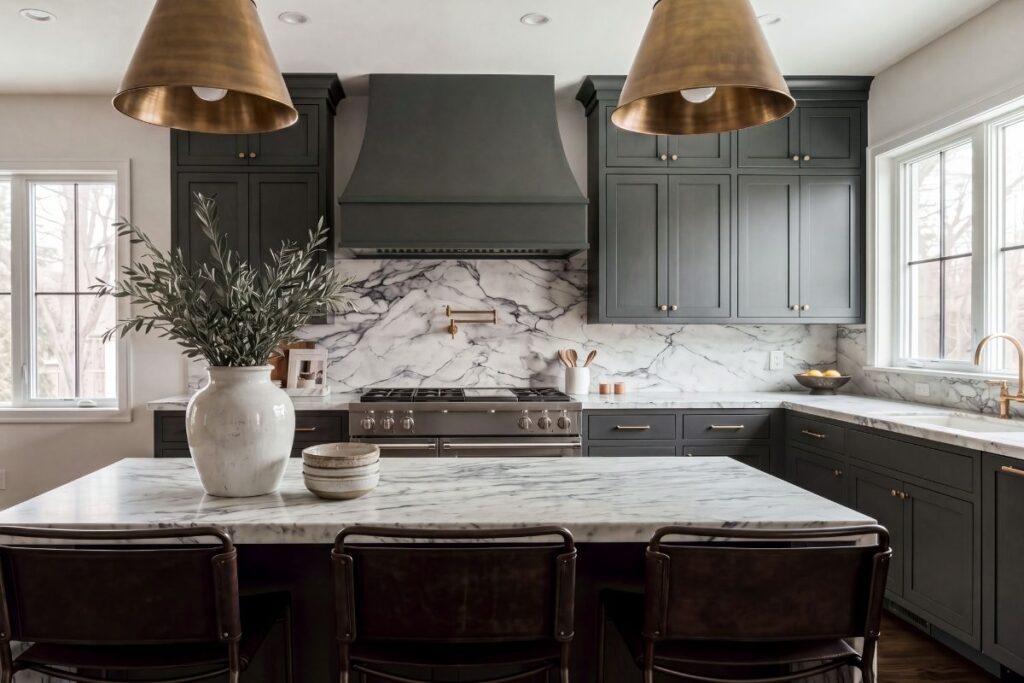
Unless a kitchen is significantly damaged, highly compromised in functionality, or notably below the expectations of its market segment, a complete renovation immediately before selling may not make financial sense.
Cabinetry, countertops, appliances, flooring, and installation costs can add up quickly.
While a beautifully renovated kitchen may appeal to buyers, it does not guarantee that the full renovation cost will be recovered in the sale.
In many cases, smaller cosmetic improvements and proper presentation are a more practical approach.
A bathroom with older but well-maintained tile, cabinetry, or fixtures does not automatically need to be renovated.
If the space is clean, functional, and free of significant damage, buyers may be comfortable making their own improvements after purchasing.
Before investing in a full remodel, consider whether targeted repairs, updated lighting, fresh caulking, or professional cleaning could achieve the desired result.
Flooring can influence how a home presents, particularly when there is visible damage, excessive wear, or significant inconsistency between rooms.
However, replacing every floor simply because the finishes are older is not always justified.
For example, original hardwood flooring in an established Waterloo neighbourhood may be a desirable feature, even if it would benefit from refinishing.
Likewise, existing carpet or tile may be perfectly acceptable if it is clean and in good condition.
The decision should depend on the flooring’s actual condition, its impact on the home’s presentation, and the expectations of prospective buyers.
It can be tempting to replace every dated finish before listing, but design preferences are subjective.
Consider holding off on:
These improvements may be worthwhile if you plan to enjoy them for years. They are not automatically worthwhile when preparing to sell.
The goal should be to appeal to a broad range of buyers rather than invest heavily in one particular design style.
There is no universal renovation budget that makes sense for every seller.
The amount worth investing depends on the property’s existing condition, anticipated sale price, buyer expectations, and the improvements already found in competing listings.
Before approving an expense, consider three questions:
1. Will this improvement address a genuine buyer concern?
Necessary repairs and visible maintenance issues often deserve attention before purely cosmetic changes.
2. Will the improvement noticeably change how the home presents?
Fresh paint in a heavily worn main living area may have a greater visual impact than replacing perfectly functional fixtures throughout the house.
3. Is the likely benefit worth the total cost?
Consider materials, labour, timing, and whether comparable properties support the additional investment.
A more expensive improvement is not necessarily a better one.
The priority should be allocating your budget to the projects most likely to support your home’s market position, rather than trying to make everything new.
Not all home improvements carry the same weight across Waterloo Region.
Buyer expectations can differ considerably depending on the neighbourhood, property type, age, and price range.
For example, preparing a family home in Laurelwood or Eastbridge may involve emphasizing functional living spaces, bedroom layouts, storage, and outdoor areas.
An established home in Westmount or Beechwood may benefit from highlighting original character, mature landscaping, and architectural features rather than replacing them with trend-driven updates.
Meanwhile, a condominium in Uptown Waterloo or Downtown Kitchener may require greater attention to efficient furniture placement, storage, and how the available space is presented.
Luxury properties may have additional expectations concerning finish quality, condition, and overall presentation.
These distinctions matter because buyers evaluate a property in relation to its alternatives.
An improvement that helps one property compete may have little effect on another.
Current market conditions also play a role. Our latest Waterloo Region real estate market update explores how market activity and buyer demand differ across property types.
Understanding your specific competition is essential before committing to expensive updates.
One of the most common mistakes homeowners make is beginning renovations before understanding what buyers in their market actually expect.
At The Deutschmann Team, we take a property-specific approach to preparing homes for sale.
Our process begins with understanding your home’s current condition, recent comparable sales, competing listings, and the features most likely to influence buyer interest.
From there, we can help identify which improvements are worth considering, which can be left alone, and how staging and professional marketing can showcase the property effectively.
Our home selling process includes a staging consultation and personalized preparation recommendations to help sellers make informed decisions before bringing their property to market.
The objective is not to spend more than necessary. It is to make strategic decisions that support a successful sale.
