
elitere | Sep. 22, 2026
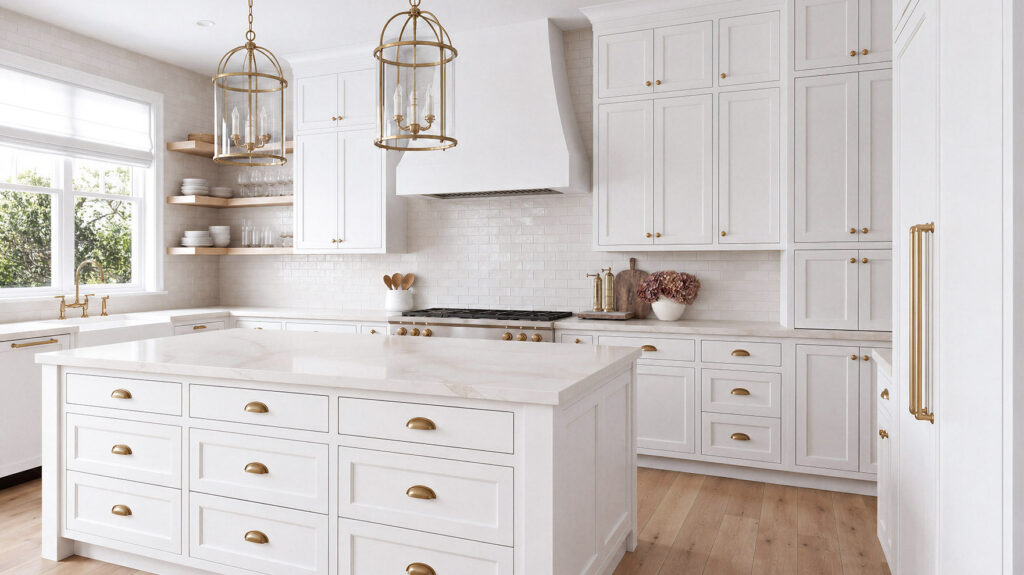
If you are planning to sell your home, it is natural to wonder whether renovating first could help you get a better result.
The short answer is: sometimes, but not always.
Renovating before selling can make sense when the work addresses something buyers are likely to notice, improves how the home presents or removes an obvious objection. But a major renovation completed shortly before listing does not automatically translate into a higher sale price.
In many cases, strategic preparation rather than extensive renovation is the better approach.
The goal is not necessarily to make your home perfect. It is to determine which improvements are most likely to strengthen buyer perception without spending money in areas where you may not see an adequate return.
It can be, but the answer depends on the property, its condition, the local market and what comparable homes are offering.
Before starting a renovation, consider three questions:
If the answer to those questions is unclear, it may be worth holding off.
A $30,000 renovation does not automatically add $30,000 to the value of a home. Buyers ultimately determine value based on the entire property and how it compares with other options available to them.
The most worthwhile improvements before selling are often the ones that make a home feel well maintained, current and easy to move into.
That does not necessarily mean replacing every dated finish.
Visible maintenance issues can have an outsized effect on buyer perception.
Things like damaged drywall, leaking faucets, broken hardware, cracked tiles, unfinished trim or doors that do not close properly may be relatively minor individually, but together they can make buyers wonder what else has been neglected.
Before investing in cosmetic upgrades, it often makes sense to address the obvious repairs first.
Painting remains one of the simplest ways to change how a property photographs and feels in person.
If walls are heavily marked, colours are particularly bold or different rooms compete visually with one another, a more cohesive palette can make the home feel brighter and better maintained.
That does not mean every home needs to be painted completely white. The objective is simply to create a clean backdrop that allows buyers to focus on the space itself.
Lighting can dramatically affect how buyers perceive a room.
Replacing dated fixtures, using consistent bulb temperatures and making sure rooms are adequately illuminated can help a home feel more polished without requiring a major renovation.
This is particularly important in rooms with limited natural light.
Sometimes several relatively small changes can modernize a room without replacing everything in it.
Depending on the home, that might include:
These details are not likely to transform the underlying value of a property on their own, but they can improve the overall presentation.
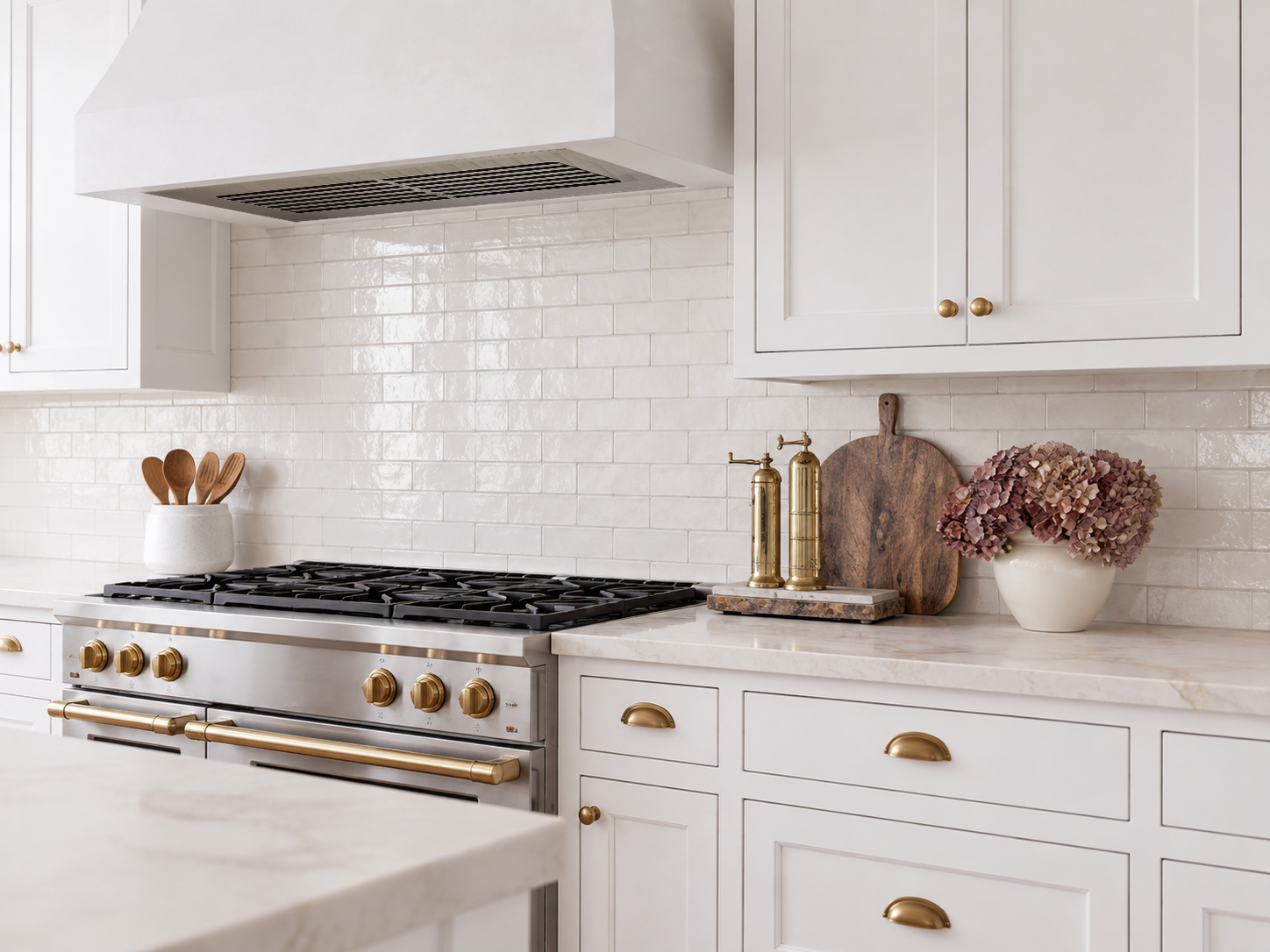
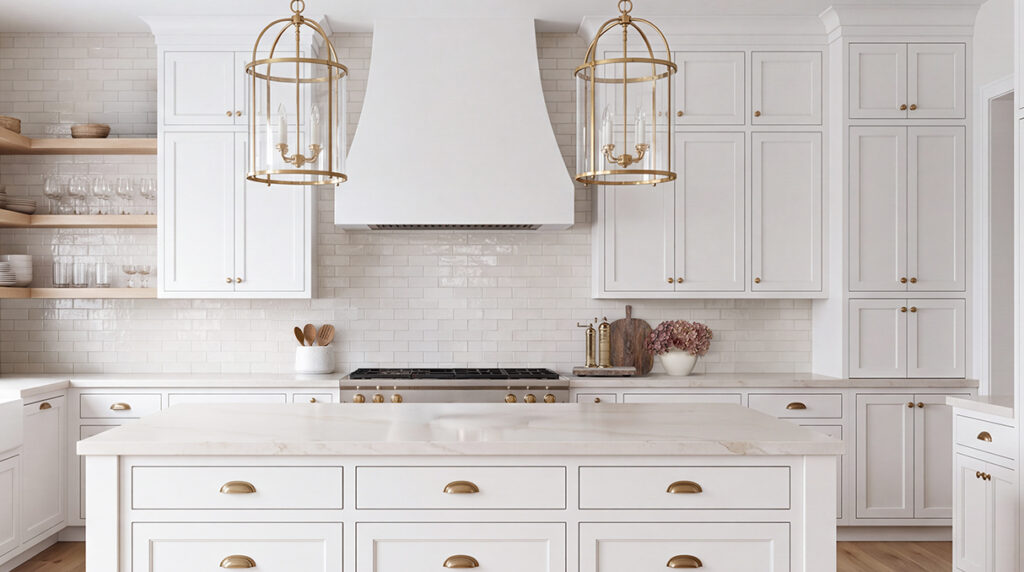
Usually, a complete kitchen renovation immediately before selling deserves careful consideration.
Kitchens are important to buyers, but they are also one of the most expensive areas of a home to renovate. Unless the existing kitchen significantly affects the home’s ability to compete, a full replacement may not be necessary.
There is also a question of personal taste.
You may spend heavily selecting cabinets, countertops and finishes that the eventual buyer would have chosen differently.
Instead, it may be more effective to improve the existing kitchen through targeted updates such as fresh paint, new hardware, improved lighting, updated fixtures or professional cleaning and staging.
However, the calculation can change when the kitchen is in particularly poor condition or when competing homes in the same price range have substantially better kitchens.
This is where understanding the local competition matters.
The same principle applies to bathrooms.
A bathroom that is functional, clean and in good repair does not necessarily need to be completely remodelled simply because its finishes are older.
Before considering a full renovation, look at whether smaller improvements could make a meaningful difference.
Fresh caulking, updated lighting, a new mirror, contemporary hardware, repaired grout and a clean shower enclosure can substantially improve presentation at a fraction of the cost of replacing the entire room.
A larger renovation may make more sense if the bathroom is damaged, poorly functioning or significantly below the standard buyers would expect from comparable homes.
Some projects can be difficult to justify when the sole objective is preparing a property for sale.
Design choices that appeal strongly to one homeowner may narrow the appeal of the property to others.
If you are renovating specifically for resale, broadly appealing materials and finishes are generally safer than highly customized choices.
Not every costly project is highly visible to buyers.
Before committing to a significant expense, consider whether it actually changes the way your property will compete in the market.
An older room is not automatically a problem.
If the room is clean, functional, appropriately styled and consistent with comparable homes, replacing it simply because it is not brand new may not be the best use of your budget.
Large renovations frequently take longer than expected.
If you are preparing to sell within a particular timeframe, construction delays can interfere with photography, staging and your intended listing date.
The potential benefit of the renovation needs to outweigh both its financial cost and the time required to complete it.
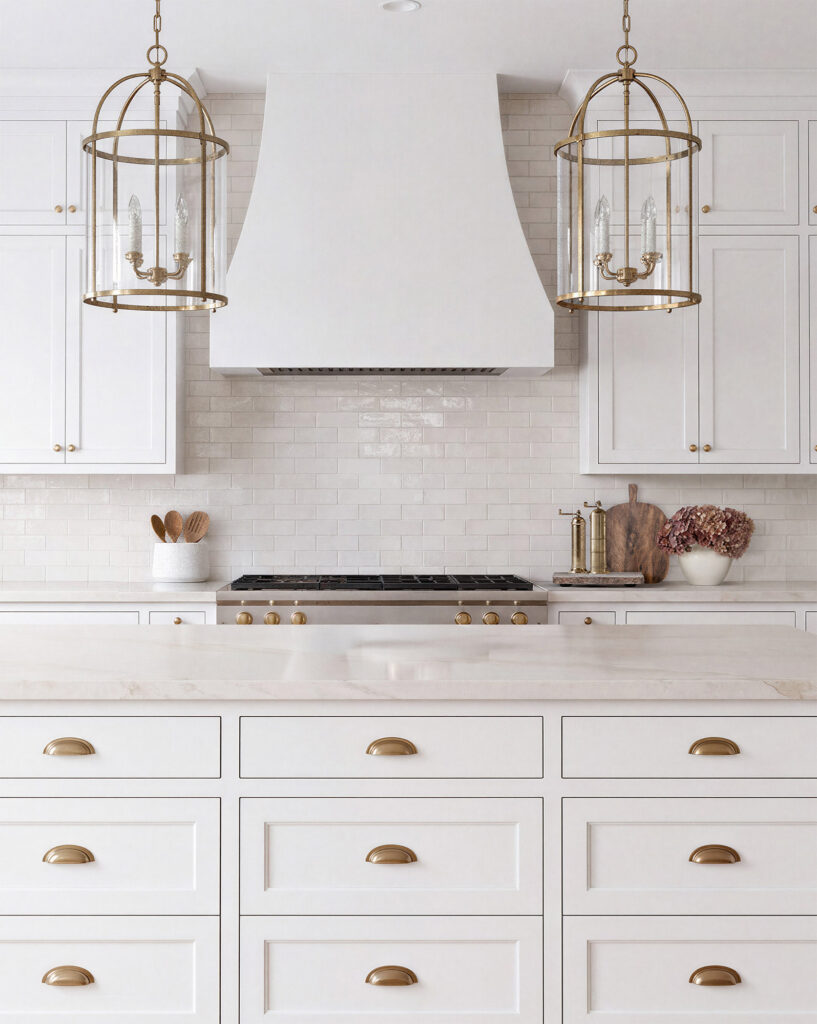
Many buyers are attracted to homes that feel move-in ready, but that does not mean every buyer expects a completely renovated property.
Some buyers would rather purchase a home at an appropriate price and make improvements themselves. Others place a premium on properties requiring very little immediate work.
What matters most is that the condition, presentation and asking price make sense together.
A dated property can still be compelling if it is well maintained and positioned appropriately. Problems arise when buyers perceive a disconnect between the home’s condition and its price.
It depends on the condition of the existing flooring.
Flooring that is badly damaged, heavily stained or inconsistent throughout the main living areas may negatively affect presentation.
If the flooring is simply older but still in good condition, replacement may not be necessary.
Before replacing flooring throughout an entire home, consider whether professional cleaning, refinishing or addressing only the most problematic areas could achieve the desired result.
In some homes, staging can have a greater effect on presentation than renovation.
Buyers experience a property as a whole. Furniture placement, scale, lighting, artwork and accessories all influence how large, functional and appealing a room feels.
For example, a perfectly acceptable living room can appear smaller simply because it contains too much furniture or pieces that are visually heavy for the space.
Strategic staging can help buyers understand how a room functions without changing the home’s permanent finishes.
Renovation and staging solve different problems, though. Staging cannot disguise serious maintenance issues, and renovating does not automatically make a poorly presented home photograph well.
The strongest preparation strategy considers both.
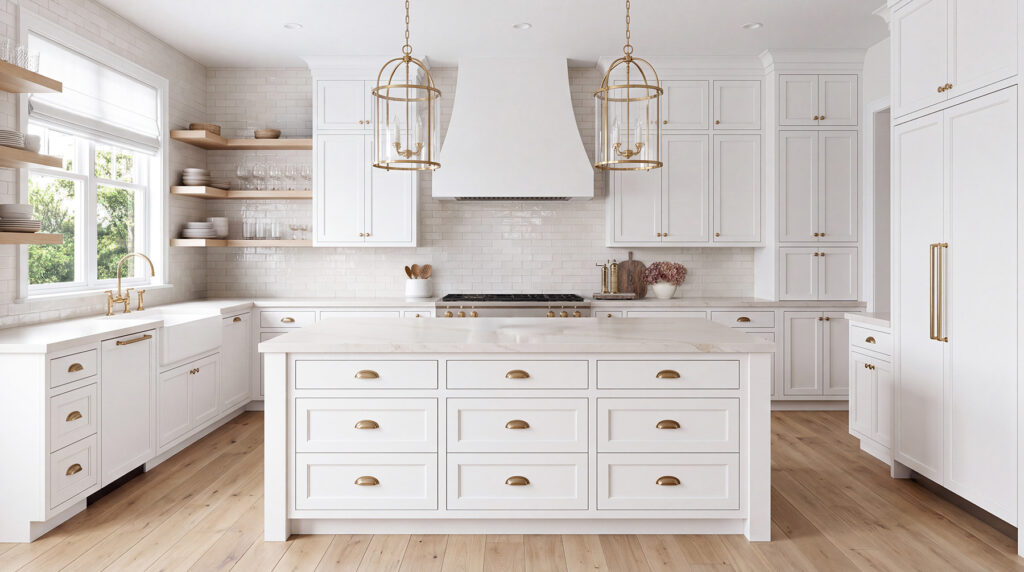
There is no universal amount that every homeowner should spend.
The appropriate budget depends on:
Rather than beginning with a predetermined renovation budget, start by identifying the areas of the home that are most likely to influence buyer perception.
From there, improvements can be prioritized according to their likely impact.
If you are selling in Kitchener, Waterloo or the surrounding townships, the decision should be based partly on what buyers are currently seeing in your specific segment of the market.
Buyer expectations can vary considerably between neighbourhoods, property types and price ranges.
An improvement that makes sense for an executive home competing against recently renovated properties may be unnecessary for another home where buyers are primarily focused on location, lot size or future renovation potential.
That is why we recommend evaluating the property before committing to major work.
Understanding how your home is likely to be positioned against its actual competition can help determine where preparation matters most.
Before hiring contractors or ordering materials, speak with a real estate professional who understands your local market.
A pre-listing consultation can help identify:
Ideally, this conversation happens before the renovations begin.
It is much easier to avoid an unnecessary $20,000 project than to try to recover that investment after the work has already been completed.
You do not need to renovate your entire home to sell it successfully.
The better question is not, “What can we renovate?”
It is, “What changes will actually improve the way buyers perceive and value this particular home?”
Sometimes that means completing a meaningful renovation. In other cases, a few repairs, fresh paint, strategic staging and strong marketing can be the more effective approach.
At The Deutschmann Team, we help homeowners throughout Kitchener, Waterloo and the surrounding communities identify the preparation that can strengthen buyer perception while avoiding unnecessary work or expense before going to market.
If you are considering selling, we recommend having your home evaluated before beginning major renovations. A clear understanding of its current market position can help you decide where your money and time will have the greatest impact.
Thinking about selling your home? Find out what your home could sell for and which improvements, if any, are worth making before you list.
